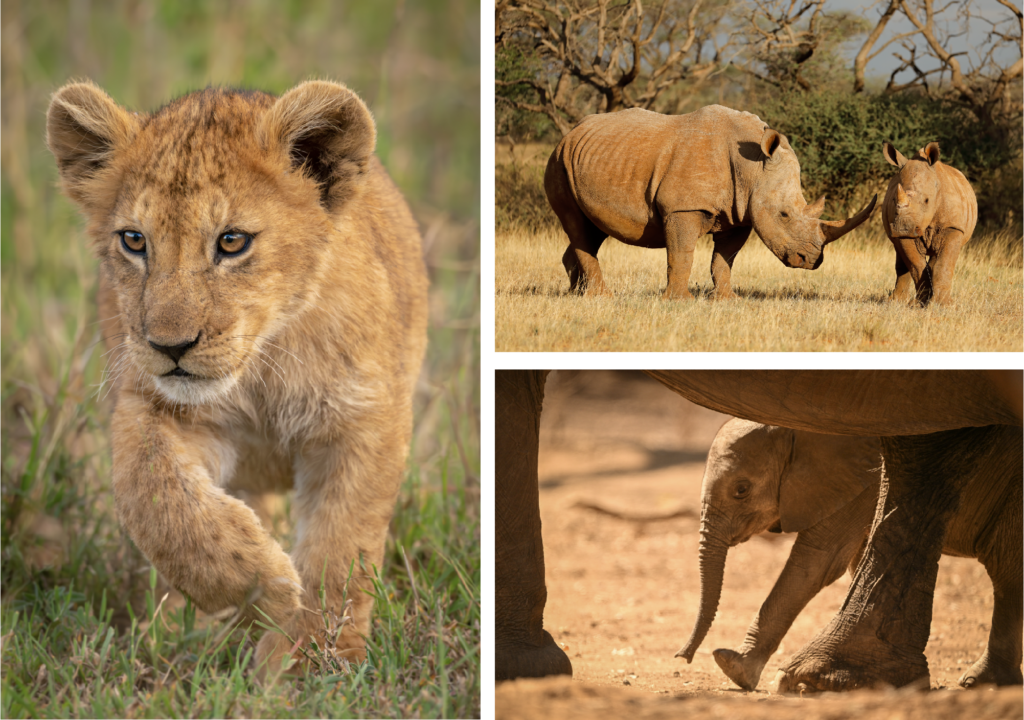

Embarking on a safari in the wilds of Africa and encountering exotic animals in their natural environment is a dream of any child. At the same time we hear the warning cries of extinction, endangered species, and habit loss, and we ask whether the next generations will be as privileged as we are today to have the opportunity to explore Africa’s wonders.
“What are the main expenses in operating a safari lodge”. There are several of course, but the one that usually goes unmentioned is the enormous cost of the commitment to safeguarding the continent’s wildlife populations and wilderness areas – as well as creating economic independence for the communities living alongside these wildlife areas.
One of the newest buzz words is Rewilding. This is a conservation approach focused on restoring ecosystems by reducing human intervention, allowing natural processes to rebuild biodiversity and ecological function. Ultimately aiming for self-sustaining, healthy landscapes that benefit nature and climate.
Rewilding’s Key Principles & Approaches are:
- Let Nature Lead: Reducing activities like ploughing, mowing, and chemical use to let natural processes take over.
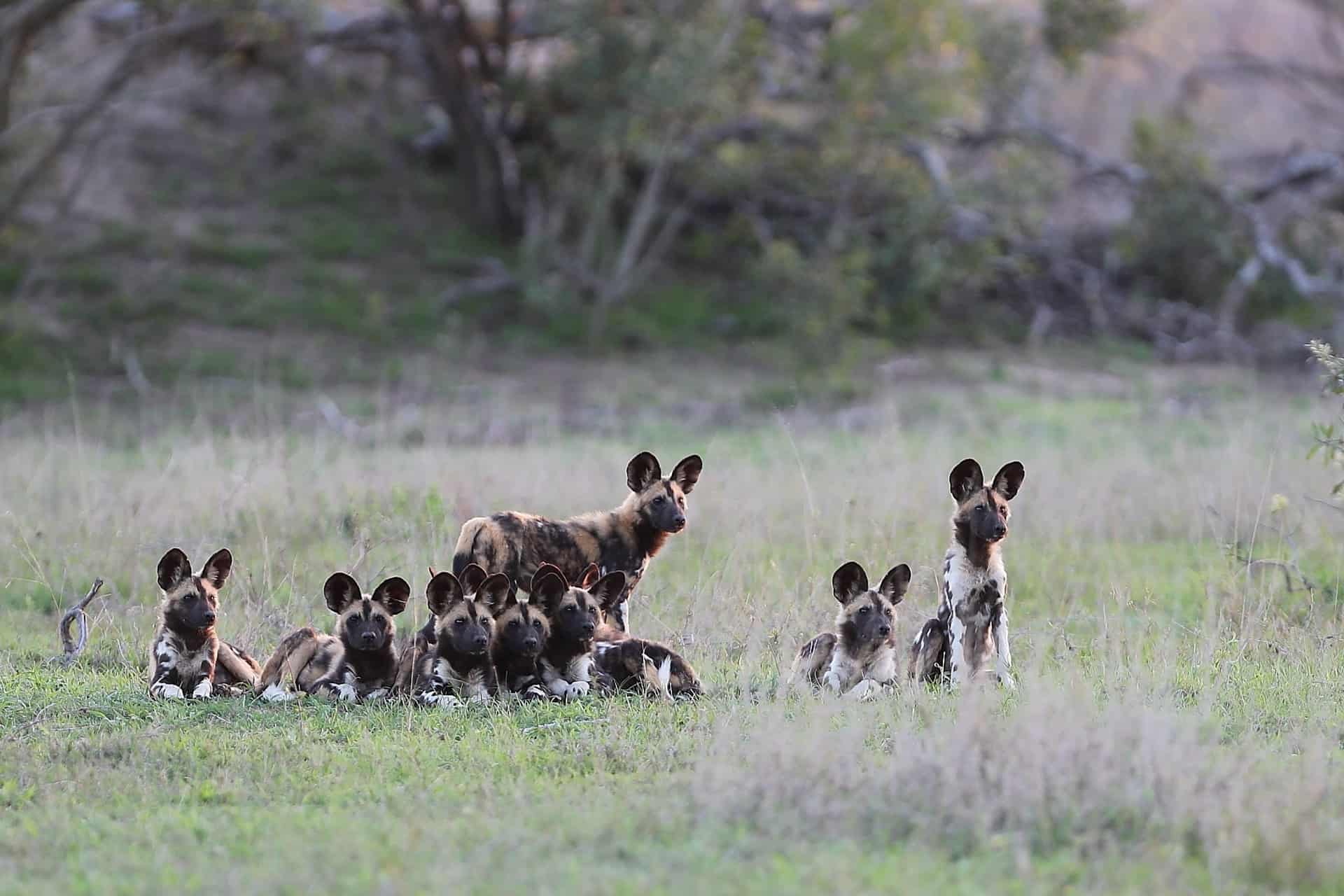
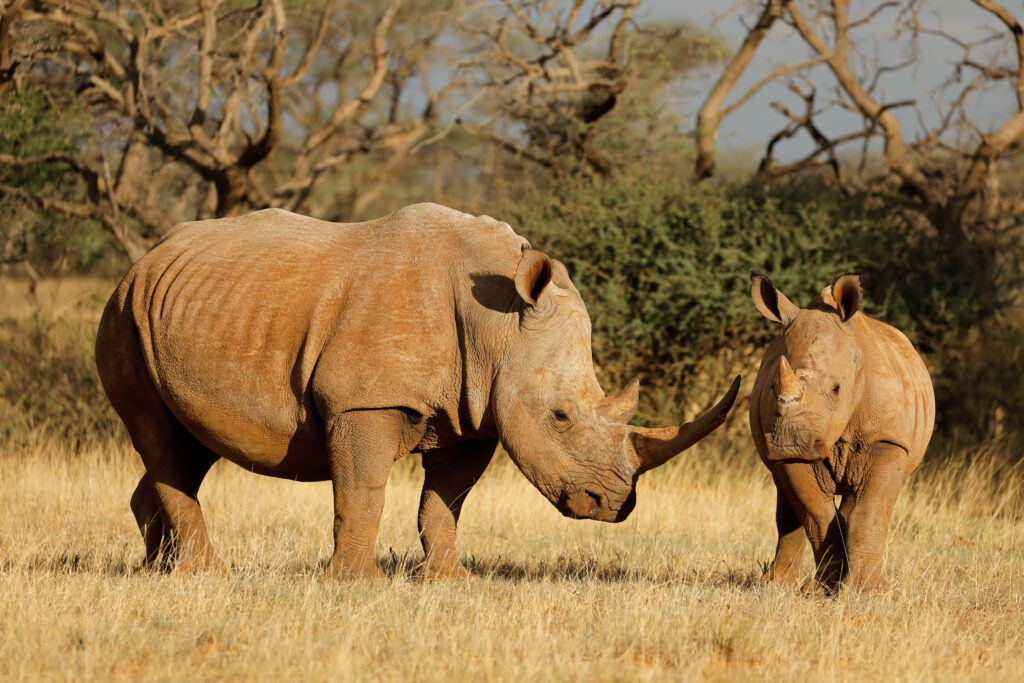
- Reintroduce Keystone Species: Bringing back missing species (like lion, rhino, or wild dogs) to restore ecosystem engineers that shape the landscape.
- Habitat Restoration: Creating interconnected wild spaces (corridors) for wildlife movement.
- Strategic Intervention: While reducing direct management, it often involves active steps like planting native species or managing invasive ones to kickstart recovery.
All the major safari operators, and certainly the ones Mushinda supports, are involved in many programs, projects and endeavours to ensure a lasting legacy for the continent by ensuring that Africa’s natural beauty and abundance will not only survive, but also flourish and thrive. Conservation encapsulates an interdependent relationship between three critical components: Biodiversity, Community & Sustainability.
These are some of the many projects that are supported by revenues generated by your visits.
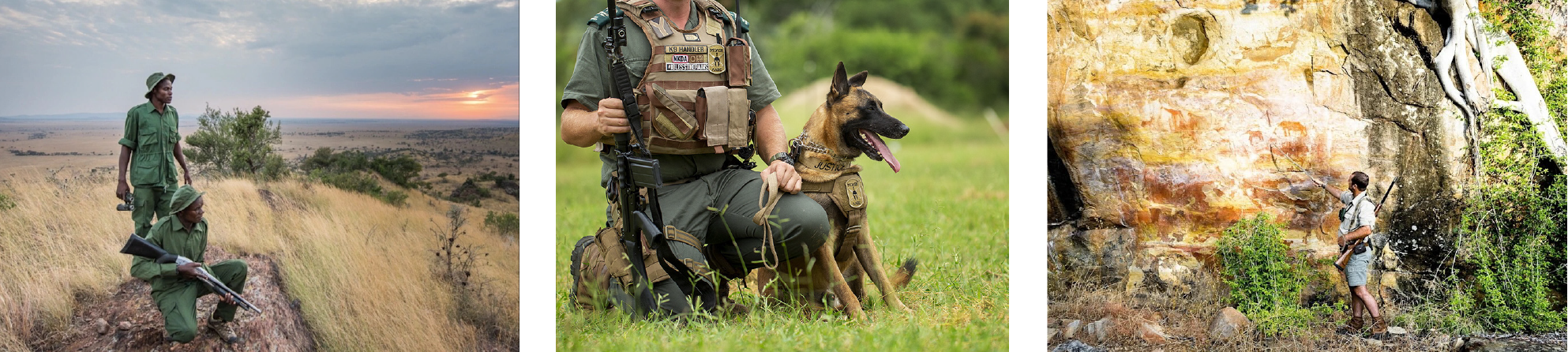
Canine Anti-Poaching
Anti-Poaching Dog Units are at the forefront of curbing the detrimental effects of poaching especially in the Greater Kruger National Park. The remarkable capabilities of these teams of passionate Rangers and Multi-Purpose dog’s far exceed what technology can yet deliver when it comes to the detection, apprehension, and tracking of poachers.
The unit’s counter poaching operations include anti-poaching patrols, snare sweeps, preventative maintenance of the reserve boundaries and
community education.
Conservation Research Projects
To help fund the critical conservation work being done on the ground to protect some of the planet’s most endangered species, the safari lodges have partnered with projects like the Associate Private Nature Reserves (APNR) Ground-Hornbill Project, the Endangered Wildlife Trust (EWT) Wild Dog Project and The EWT Birds of Prey Programme.
Partnering with such organisations and passionate individuals that are dedicated to making a difference through action and research allows the lodges to link their passion with their responsibility to make a difference in conservation.
Big Cats Initiative: Protecting habitat for Big Cats across Africa
A recent post by Derek Joubert – one of Africa’s most prominent wildlife advocates, accurately articulates the ethos of the safari community. Big Cats need land. They need this land now more than ever as a reservoir for their rapidly dwindling numbers. There are an estimated 44 million acres of land in Africa on which Big Cats roam that is currently unprotected or under hunting management.
The safari community’s response to this crisis is multi-pronged – acquiring, supporting and securing habitats outside national parks including former hunting concessions, community conservancies and migratory corridors and working in partnership with local communities and other
conservation stakeholders.
The Initiative has funded more than 150 projects in 29 countries. Current projects operate in Zimbabwe, Kenya, and Botswana and utilize innovative approaches to generate maximum positive impact. They have supported initiatives which tackle human-lion conflict and emphasize conservation and building bridges between communities, conservation and wildlife.
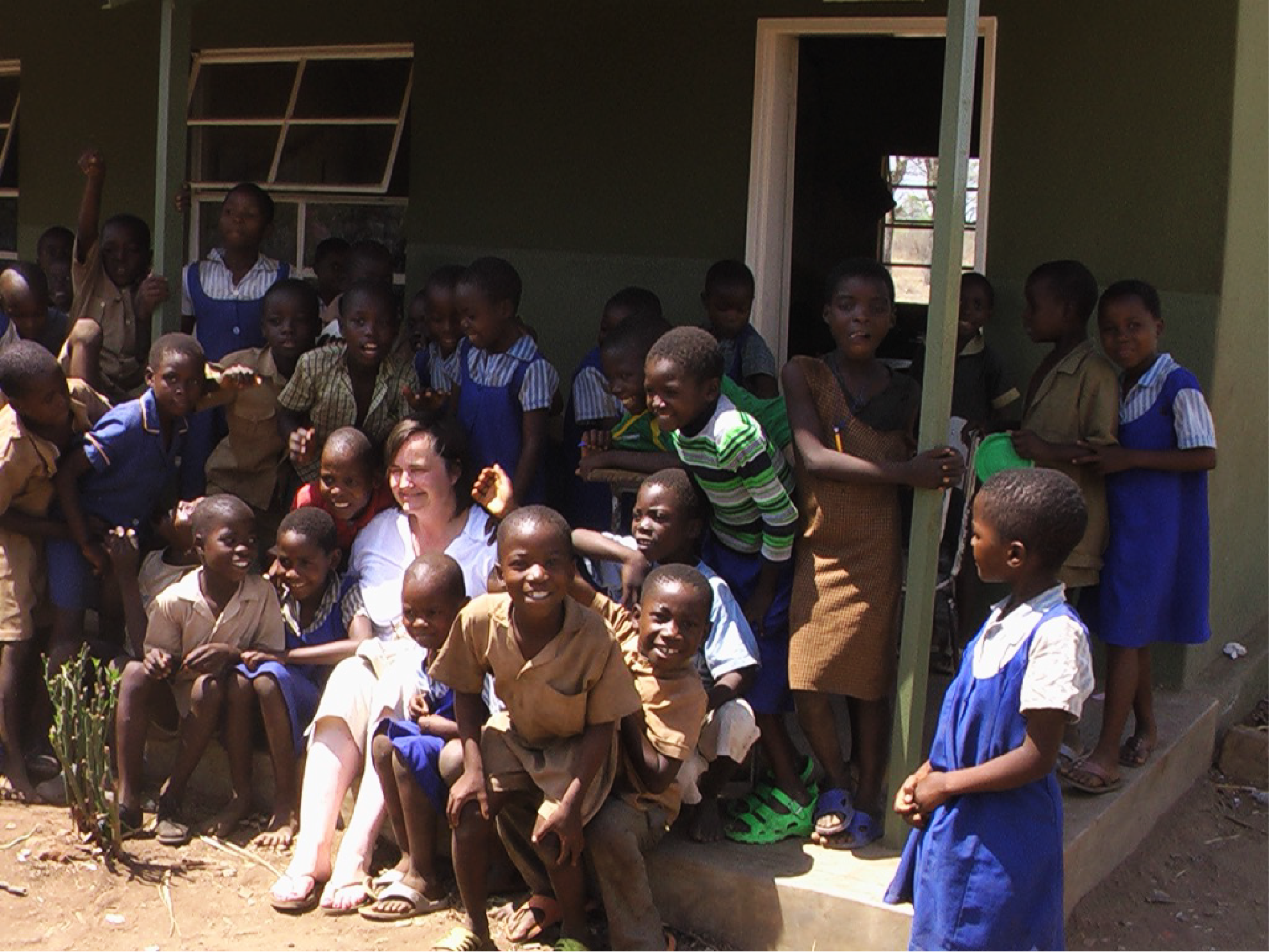
Community Partnerships
These programs take many forms and are often driven by the needs of the local communities. Without the participation of these communities sustainability cannot be achieved.
- School Food programs – thousands of kids are fed a nutritious meal every day at local schools. This promotes a healthy learning environment plus an incentive for the children to attend school.
- Sponsored Teachers – Enlisting educators to ensure the next generation is better educated.
- School Supplies
- Bridge and other critical construction projects
Conservation education – critical for the participation of future generations. - Medical clinics – fixed and mobile
- Farming education and support
- Wildlife coexistence programs – Preventing elephants from raiding the crops of the local farmers with the use of chilli peppers.
Choosing operators and lodges that adhere to these values ensures that each safari adventurer contributes to a healthier balance between people, planet, and profit. Mushinda has long standing relationships with all the properties that we book for our clients and can attest that they meet these criteria.
- Limit Vehicle Numbers at Sightings – ensuring wildlife is not stressed and sightings remain meaningful.
- Invest in Conservation – by funding anti-poaching patrols, habitat restoration, and wildlife monitoring.
- Work with Local Communities – off ering employment, education, and livelihood opportunities.
- Respect Cultural Heritage – by celebrating traditions rather than exploiting them.
- Operate with Transparency – clearly communicating how tourism revenue supports conservation and community projects.
DID YOU KNOW?
About 100 years ago, there were estimated over 200,000 wild lions in Africa, but today that number has plummeted to around 20,000 to 24,000 due to habitat loss, poaching, and human-wildlife conflict, representing a massive decline of over 90%.
About 100 years ago there were roughly 500,000 rhinos across Africa and Asia, but this was a massive decline from even earlier times, with some species like the Southern White Rhino down to under 100 individuals. Global rhino populations today are in a critical state with roughly 27,000 remaining, representing a devastating decline of almost 95%.
According to data collected by the WWF, just under 100 years ago there were over 10 million African elephants. Roughly 415,000 to 450,000 elephants remain, representing a critical decline of over 95%.