
In the 1950’s there were a few families who owned large tracts of undeveloped, game-rich land in Southern Africa.
Some of these areas were used for hunting and a few, more environmentally inclined farms, were used for private game-viewing expeditions. The term “safari”, meaning a journey, had been reserved for those extremely wealthy individuals who could afford to hire outfitters with vehicles tents and equipment to venture out, for days on end, in search of wild animals.
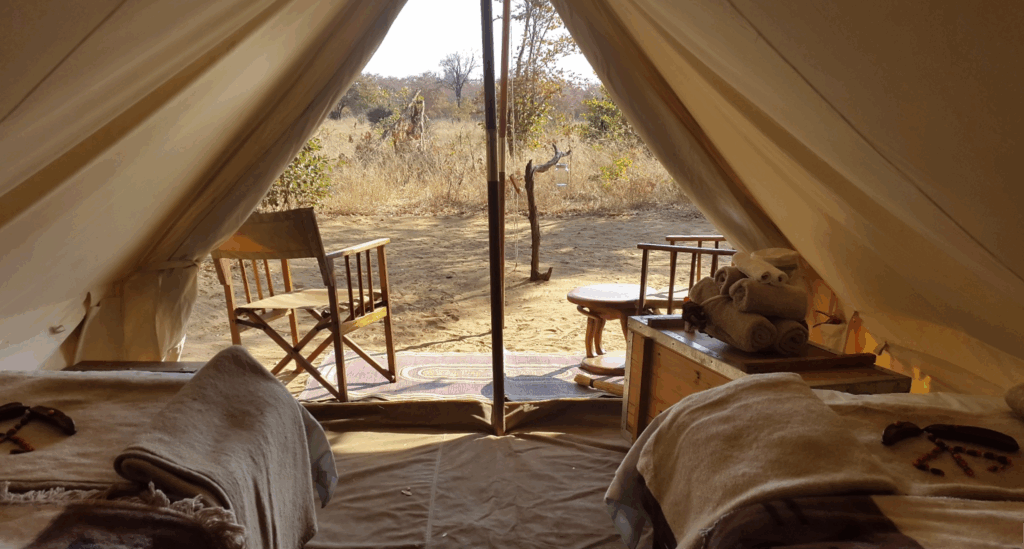
However, there was a pent-up desire from the general public to also experience a safari. One by one the families owning the large farms (especially those bordering the Kruger National Park) started to build facilities to accommodate guests wanting to share the safari experience. These facilities were rather basic, but over time developed into more comfortable accommodations with more of the luxuries of home.
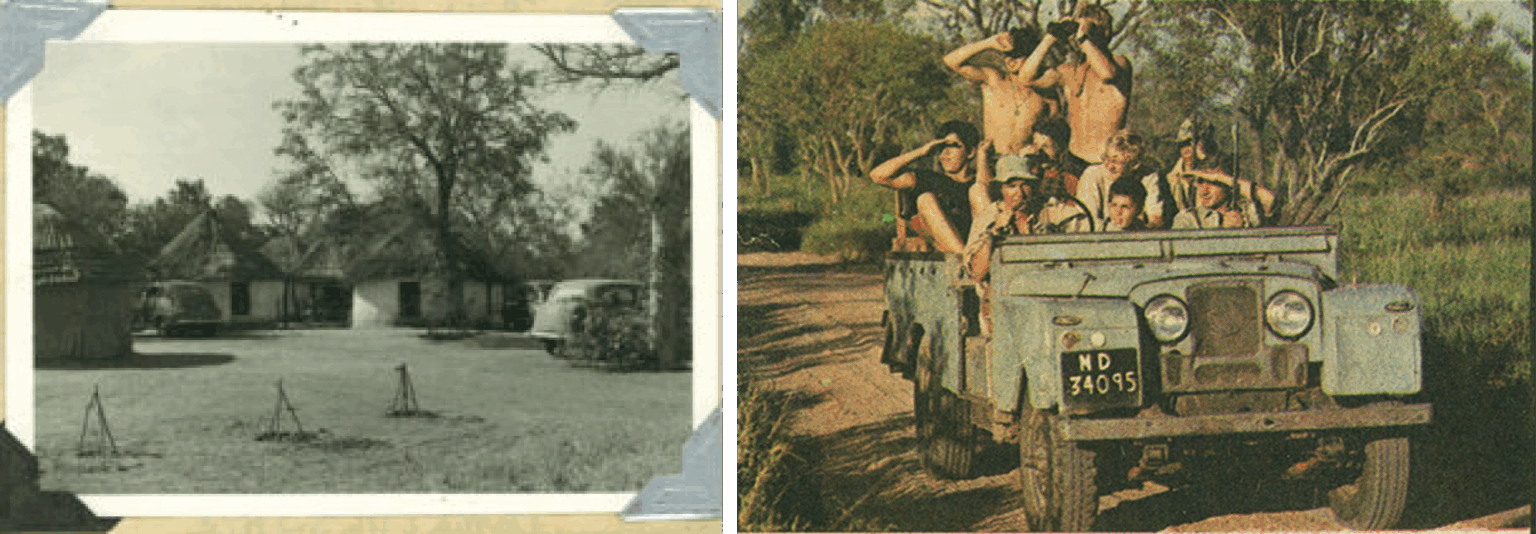
The next big change was the removal of the fences between the farms and the park enabling animals to roam freely. Hunting was banned and gradually the animals became less fearful of man and more comfortable with the game-viewing vehicles. Enormous research was begun, and is ongoing, into the flora, fauna and ecology, creating a greater understanding of the symbiosis that exists in nature. Safari guides were hired and educated (see previous newsletter) and a safari industry was born.
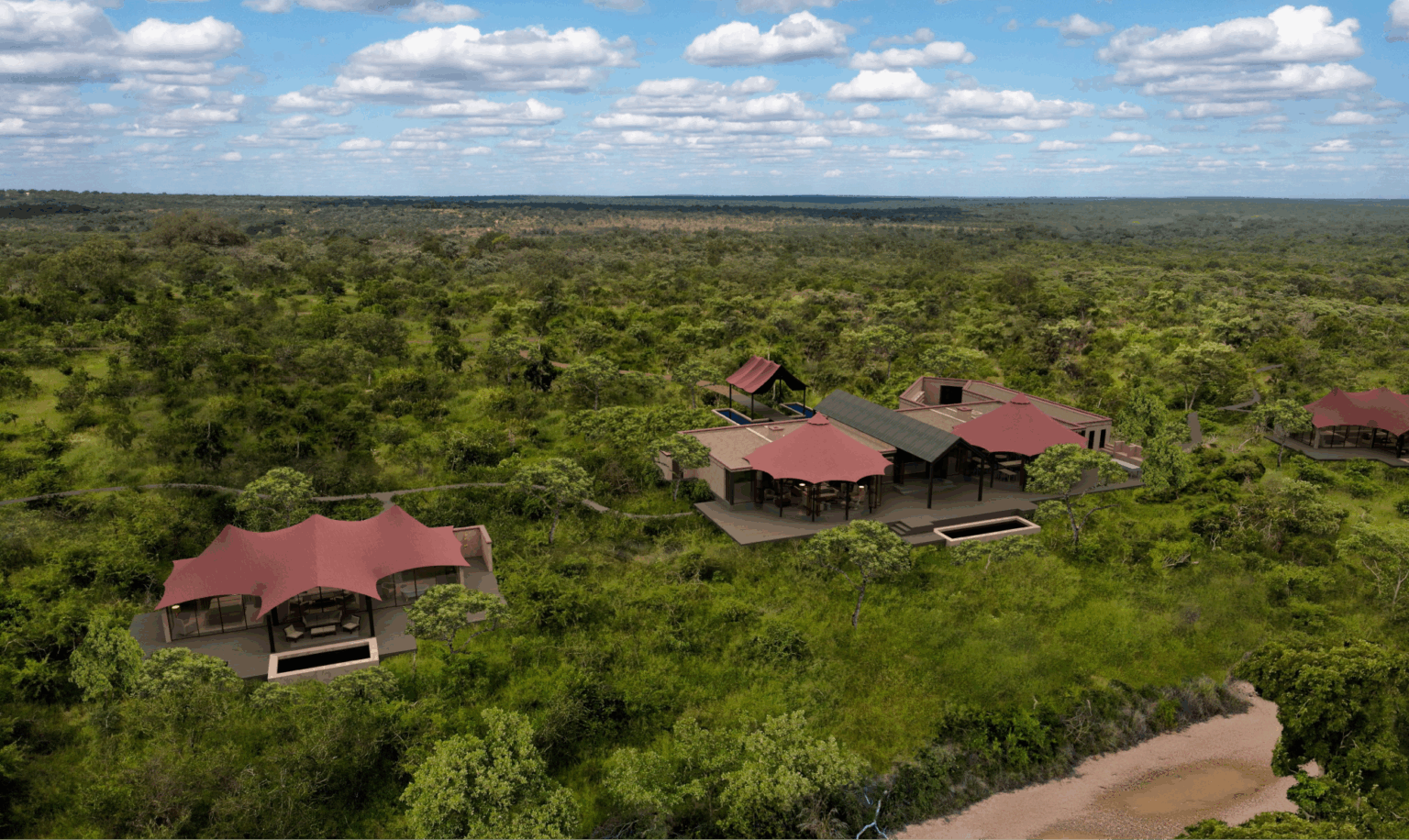
The original accommodations were either thatched roof huts or canvas tents. Gradually these grew in size and sophistication as did demand and competition amongst the safari lodges. In May this year the safari experience reached a new height. Royal Portfolio opened their newest camp – Masiya in the Thornybush Reserve. Gone are the khaki or olive tents. Masiya’s “tents” are the color of a Moroccan sunset. To call these structures tents would be a misnomer. They are magnificent engineered structures enveloped in pink canvas.
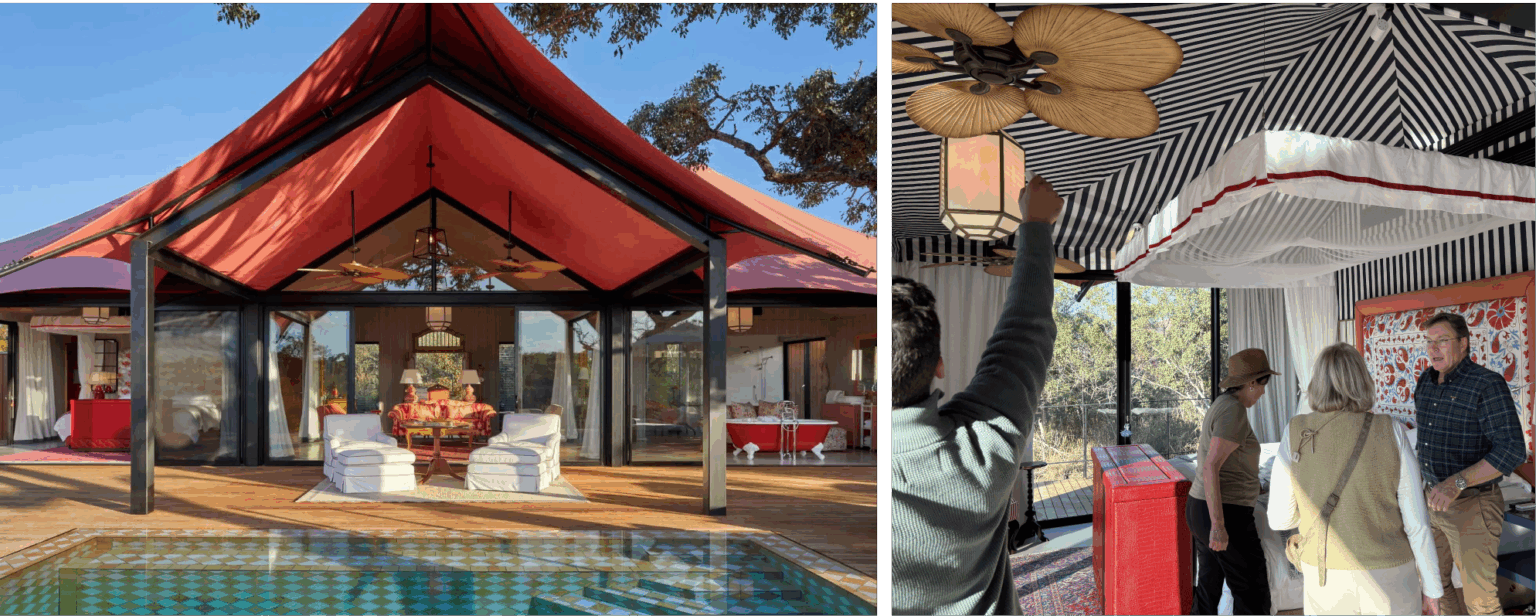
My husband and I had the privilege in July to experience the luxury and hospitality of this unique safari lodge. Hosted by Edward – Royal Portfolio’s Ambassador, and joined by Sussi (my partner in South Africa) and her husband, we were treated like royalty for two amazing days.
Named in honour of Wilson Masiya, a cherished master tracker whose fearless spirit and deep connection to the wilderness continues to inspire. This thoughtfully designed camp features six suites with floor-to-ceiling windows, private heated plunge pools, wooden decks, outdoor salas and expansive indoor and outdoor living spaces. Each suite is uniquely styled – a blend of vintage and modern, exotic and traditional – all designed to highlight the natural surroundings of the bush.
Game drives are in custom designed vehicles with all the latest comforts and led by the most qualified guiding team in Africa. The passion and experience of our award-winning guide and tracker was the highlight of our visit. Even a simple sundowner stop turned into a once in a lifetime experience as we were joined by a jenny of giraffe who stood just meters away eyeing us in wonder as we sipped our cocktails.

Dining at Masiya’s Camp was a celebration of creativity and unique culinary experiences. At the heart of the camp’s dining tent is the interactive kitchen, where the preparation of meals by expert chefs unfolds. With a countertop for live cooking demonstrations and outdoor features like a wood-fired pizza oven and braai (barbecue) station, every meal combined the rustic charm of the bush with contemporary culinary artistry. The camp’s culinary philosophy is inspired by fresh, seasonal ingredients. Each dish is designed to reflect the flavours of the region, blending local inspiration with world-class techniques.
For those with the budget and the desire to be pampered and indulged in the bush, Masiya is the perfect safari destination. There are only a few other properties that provide the combination of outstanding game-viewing and guiding together with the unique hospitality, cuisine and comforts of Masiya’s Camp.
DID YOU KNOW?
- An elephant is the largest land mammal but even the elephant’s impressive size pales to insignificance when it is compared to the enormous blue whale. As far as we know, this leviathan of the deep is the largest animal that ever lived.
- A blue whale cow that was caught in 1926 was 109 ft. long, and weighed 190 tons – as much as 32 large elephants.
- The blue whale’s tongue alone is as large as an elephant, and its heart is as big as a Volkswagen Beetle.
- The blue whale uses low-frequency pulses to communicate with other whales, and these pulses have been measured at volumes of up to 188 decibels – the loudest sound emitted by any living being. A passenger jet taking off generates about 120 decibels. The blue whale’s calls have been detected as far away as 530 miles.

Lorem ipsum dolor sit amet, consectetur adipiscing elit. Ut elit tellus, luctus nec ullamcorper mattis, pulvinar dapibus leo.