

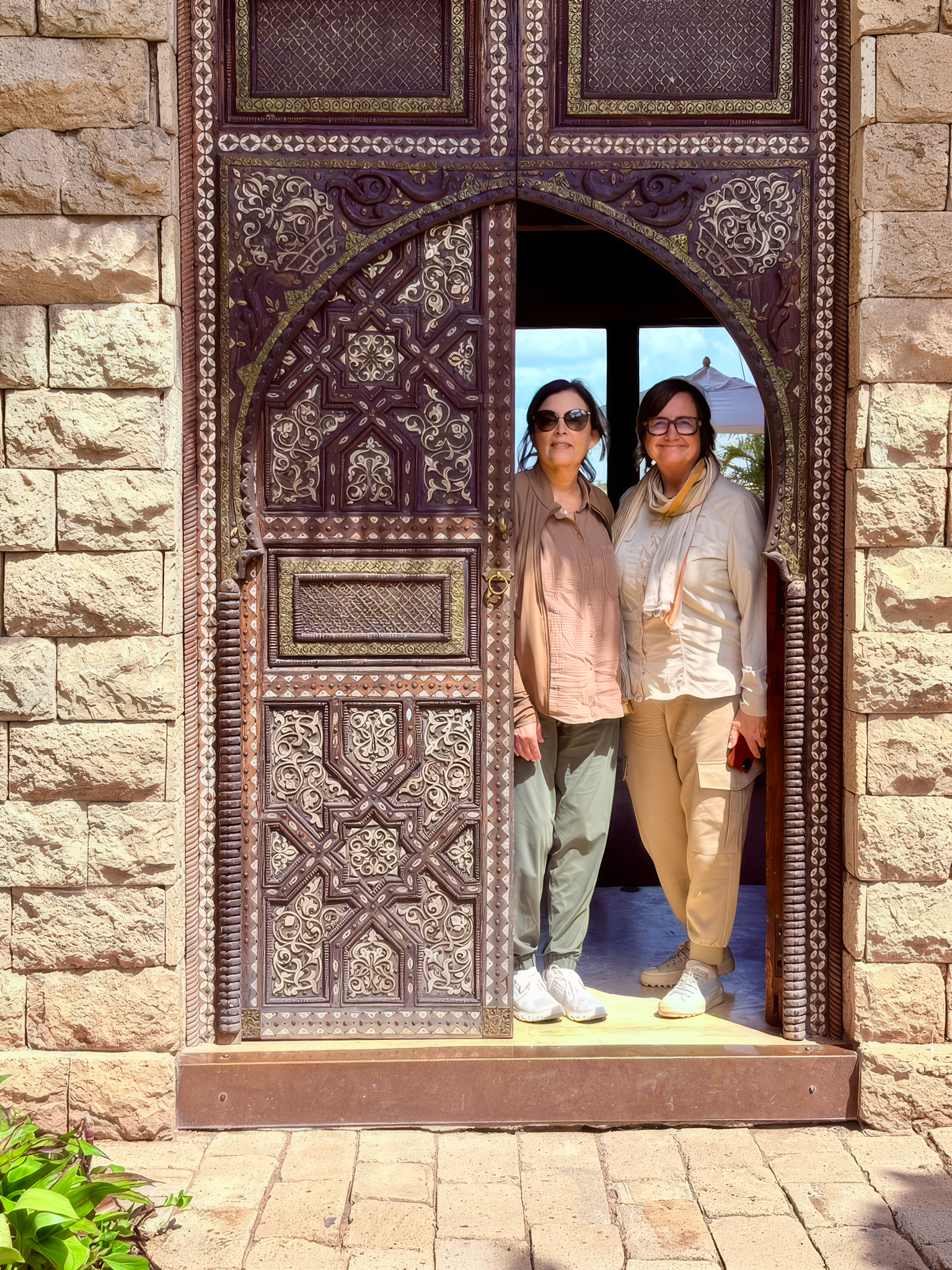
In November Leon and I went on a trip to inspect properties in less travelled regions of East Africa. East Africa is full of unforgettable landscapes, wildlife encounters, and cultural experiences—but we were looking for regions where our
clients could experience rugged adventure and conservation success with amazing wildlife drama, combined with tropical relaxation and cultural richness.
From Nairobi we took a short charter flight to the Laikipia region in Northern Kenya. Laikipia is one of Kenya’s most inspiring safari destinations—less crowded than the Maasai Mara, more diverse in activities, and strongly rooted in
community-led conservation. Stretching across private conservancies and vast ranches with views of snow-tipped Mount Kenya, Laikipia is a haven for rare and endangered species. This region is perfect for those travelers seeking
something different from a classic game drive safari.
We spent two nights each at Segera Retreat and Suyian. Both amazing properties but very different. Segera is an old horse and cattle ranch that has been converted into a game reserve. Segera (and much of the Laikipia) is recognized as a leader in anti-poaching and wildlife protection. It holds some of Kenya’s largest populations of black and white rhinos, including animals linked to the last remaining northern white rhinos in the world. It’s also one of the few places where you can reliably see Grevy’s zebra (different stripes to the common zebra), Jackson’s hartebeest, reticulated giraffe, and even African wild dogs—some of Africa’s rarest species.
Suyian is a brand-new property built on a ridge overlooking the African Rift Valley. A stunning property with exquisite views. It was from here that we embarked on our helicopter adventure into the rift valley (see previous newsletter). Suyian is one of the few places where extremely rare black leopards have been spotted.
The region’s conservation success is the result of deep collaboration between private conservancies, local communities, researchers, and rangers who work tirelessly to protect wildlife.

Laikipia’s environment is a patchwork of acacia-dotted plains, olive forests, rocky ridges, and rivers lined with fig trees. The distant outline of Mount Kenya provides a dramatic backdrop for morning game drives, sundowners, and nature walks.
Because Laikipia consists mostly of privately owned conservancies, visitor numbers are low, creating a far more intimate wilderness experience than in the busier national parks. Lodges are spread out, game drive vehicles are few, and you often have entire landscapes to yourself.
Here you can experience some unique safari activities: These include – walking safaris, night drives, camel trekking, horseback riding among wildlife, mountain biking, river adventures, and even multi-day fly-camping under the stars. These immersive experiences allow travelers to connect deeply with the land and its wildlife beyond the vehicle.
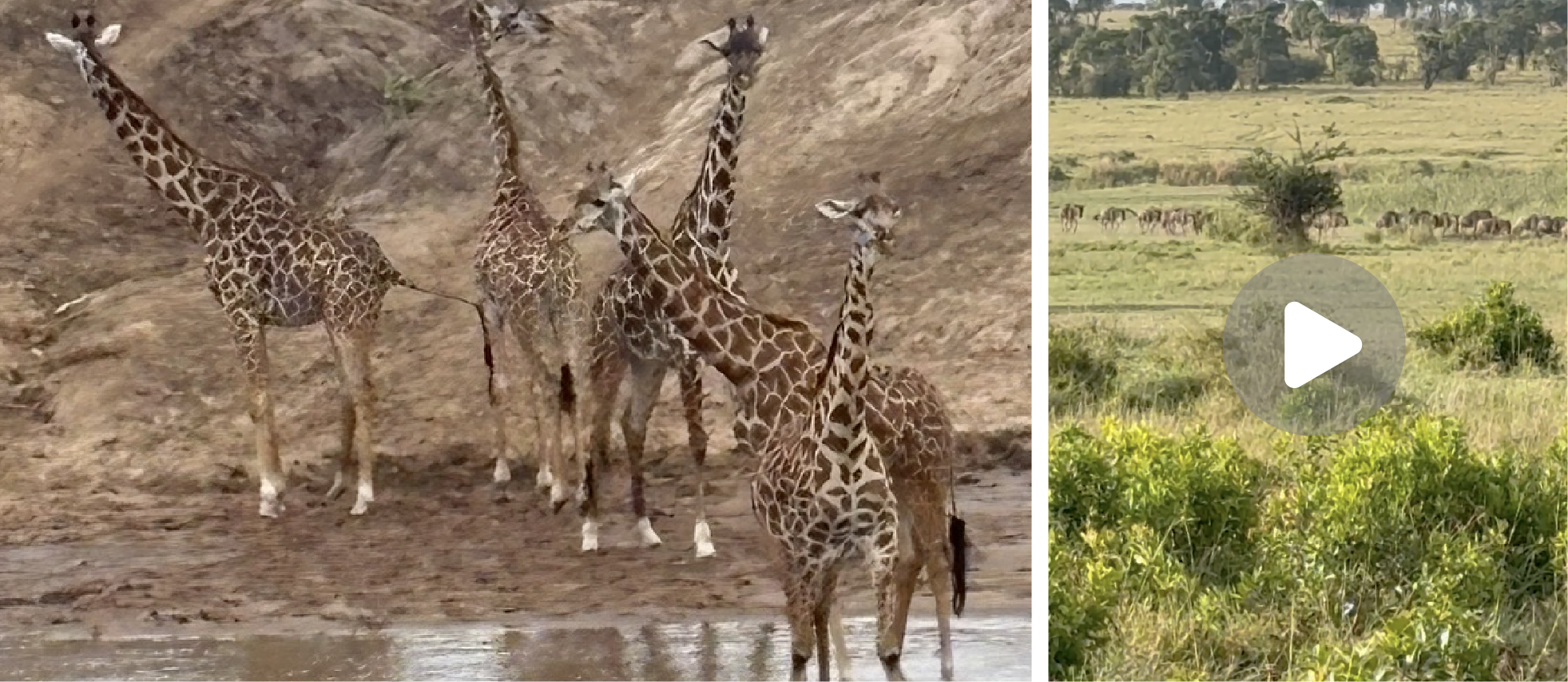
Lamai’s lodges are known for their exceptional guides—professionals with deep knowledge of animal behavior, the ecosystem, photography, and conservation. This region of the Serengeti affords a wonderful mix of different environments. From the woodlands close to the river to the vast grassy plains with an isolated iconic acacia tree.
Our final destination was the coast of Tanzania. After the dusty, thrilling days of safari, nothing restores the body and mind like Zanzibar. This enchanting island is where relaxation meets culture, where ancient stone alleys twist through
history, and where turquoise waters lap against powder-white beaches.
It’s the perfect place to unwind after days spent on safari vehicles. We explored the coral reefs both scuba diving and snorkeling, cruised the aquamarine ocean in a dhow, relaxed on the white sand beach and enjoyed the island cuisine.
Beyond the beaches lies Stone Town, a UNESCO World Heritage Site bursting with Arabic, Indian, European, and Swahili influences. On our last morning, we spent several hours wandering its maze-like streets, the old fort, and browsed Stone Town’s colorful markets. This was a one of the main ports for the East African slave trade and is filled with history from those years.

Zanzibar is also known as the Spice Island. Tours of clove, vanilla, cinnamon, and nutmeg farms offer a sensory journey through the island’s aromatic history.
The best months of the year to visit East Africa are June – September and December – March.
We boarded our flight home exhausted from two weeks of hopscotching across East Africa. However, I am now comfortable knowing that combining Laikipia, Lamai, and Zanzibar captures the essence of what travelers love about Kenya and Tanzania:
From rhinos and rare species in Laikipia, to the raw spectacle of the Great Migration in Lamai, to the soothing beaches and spices of Zanzibar—this itinerary offers diversity, depth, and unforgettable moments at every turn.
Did you know?

- A crocodile egg is about 3 inches long, and when it hatches, the little crocodile is about 10 inches long. It grows to an impressive adult length of more than 16 feet.
- The golden eagle, which also lays 3 inch eggs, fortunately does not share the crocodile’s growth pattern. The eagle is just 5 inches long when it hatches and grows only to a height of 35 inches – measured from beak to tail.
- If a 20 inch human baby should copy the Nile crocodile’s growth pattern, it would eventually grow up to become a 31 foot adult.