Did you know that 20 years ago about 2% of African elephants genetically did not develop tusks. A recent study shows this is now 10% and growing. It is believed that elephants know that they are being hunted for their tusks and have been able to switch off the gene that instructs them to grow these canines. We are only just beginning to understand these magnificent animals!
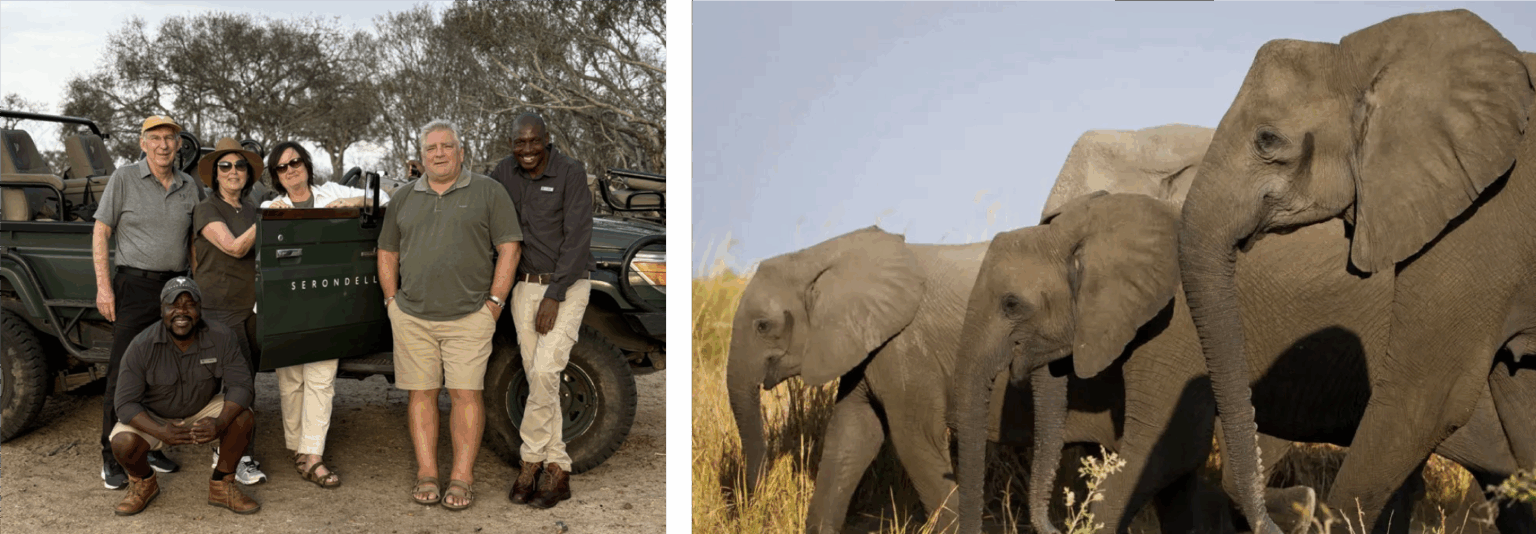
On my recent trip to South Africa I spent two nights at Royal Malewane’s, brand-new Masiya’s Lodge in the Thornybush Reserve. It is a magnificent property and will be featured in an upcoming newsletter. This newsletter is about the impact an incredible guide can make on your overall safari experience. The above information about elephants (and Did you Know below) are some of the many facts our amazing guide at Masiya shared with us.
I have always advocated that my clients stay at the best safari lodges and camps that their budget will allow, as that is where they will find the best guides. When you choose a safari destination, it is the guides and trackers that make the difference in your African adventure. A great guiding team will show you the full wonders of the bush, from iconic species to the smallest details. The way they personalize your experience to match your particular interests, the focus on your safety, and the amazing variety of knowledge they will share.
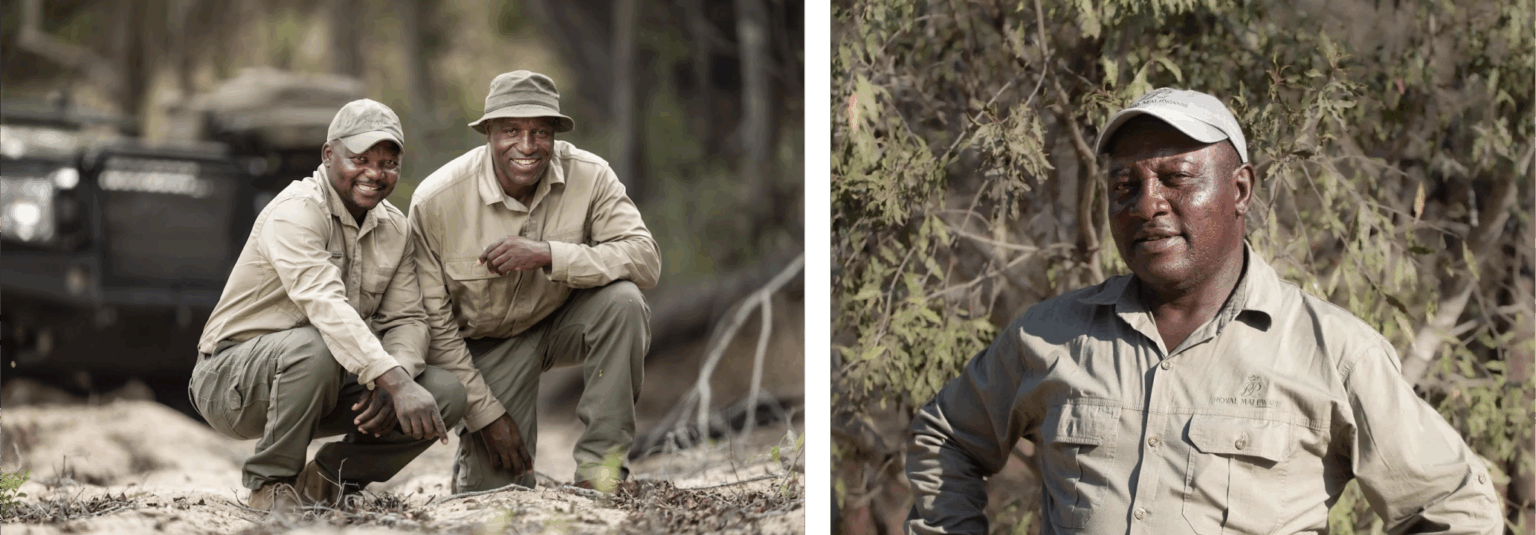
This newsletter is dedicated to those amazing people that make up the guiding community. This story exemplifies their dedication and professionalism. A level of commitment and devotion that can be found across the African continent.
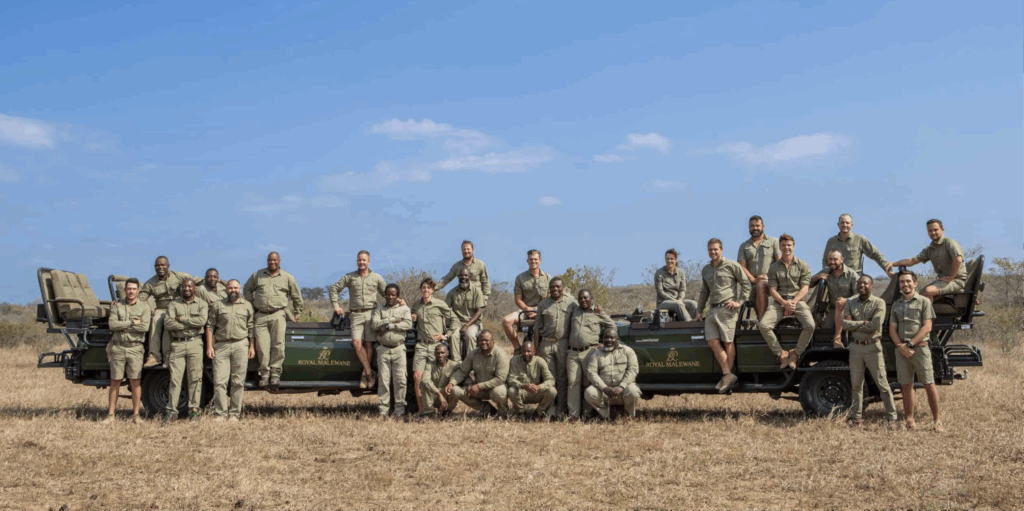
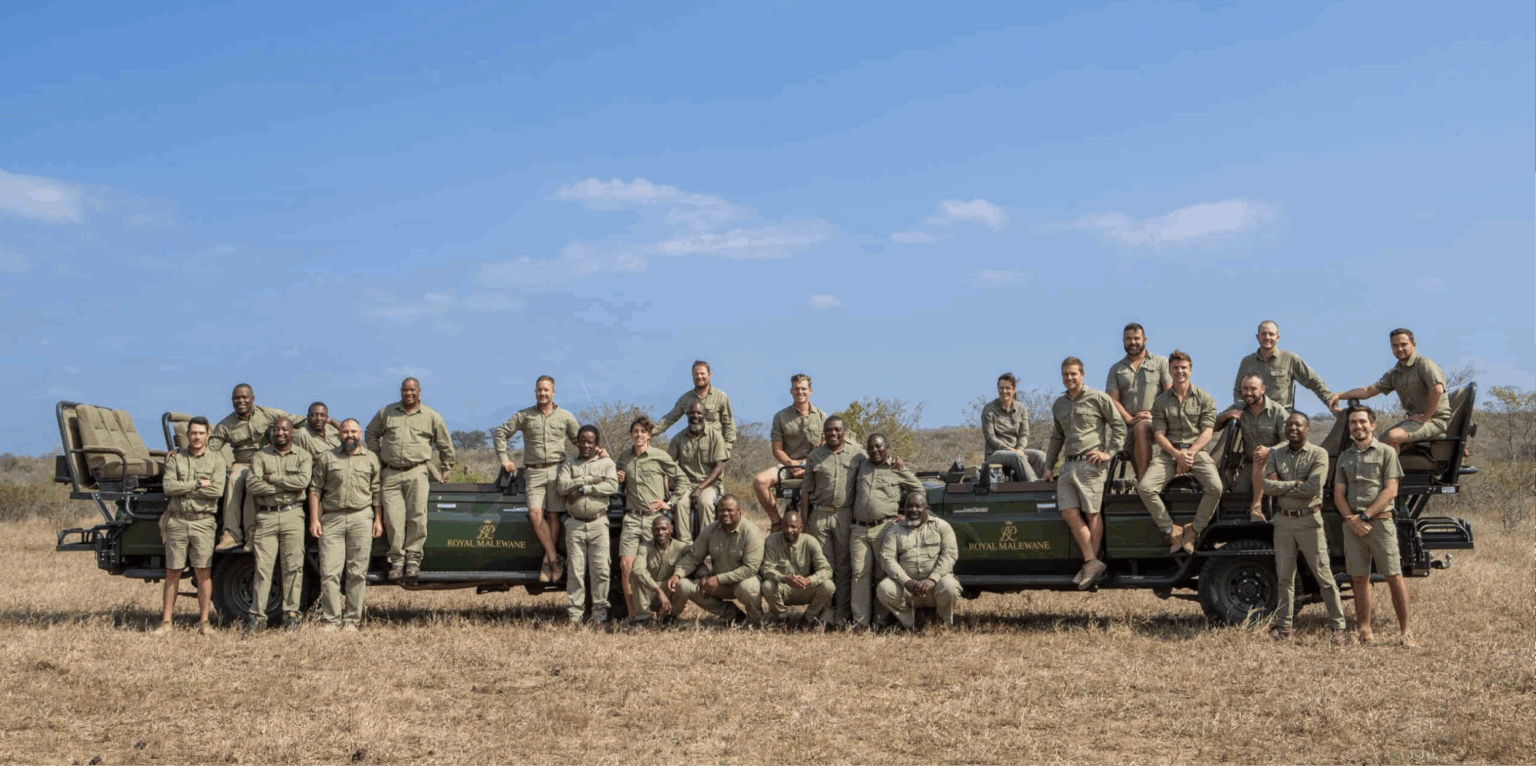
In order to become a guide in South Africa one needs to obtain FGASA qualifications. There are several levels of requirement, and it takes many years of training in order to qualify. Together, the Royal Malewane guiding team has over 350 years of experience in the African bush. That’s a testament to their passion, knowledge, and skill.
Royal Malewane is not alone in the industry. The other premium safari lodge operators have their own in-house training programs and only employ guides with the highest levels of skill and training. To illustrate how challenging the credentialing process is, there are only thirteen Professional Guides who have ever qualified for FGASA Scout status. Wilson Masiya, who was the first to ever qualify, passed away in 2015, leaving a remarkable guiding legacy. The new camp at Royal Malewane is named after him.
The requirements to qualify as a guide in Zimbabwe are equally as demanding and strenuous. It is a minimum three-year, six step process including first aid, a learner’s license followed by an apprenticeship, a shooting proficiency test, an oral exam, culminating with a week-long proficiency exam where the candidate must host the examiners in a fully outfitted camp. And this is just to get the basic safari guide license.
Those without the strength, passion and fortitude simple do not get through this rigorous training. Guides must be willing to spend long periods in the bush away from family and friends. In addition to their technical qualifications, they need to have exemplary people and communication skills.
For 30 years I have been visiting safari camps and lodges across the African continent. I take every opportunity to go out on morning and evening game-drives so that I can assess, first-hand, the quality of the experience that my clients can expect. There are several safari companies that have made the enormous investment in their guiding teams to ensure their guests depart with the most amazing memories. I have accumulated a list of those properties and individual guides that I feel stand out from the rest. This is why I am so particular about where my clients go to experience their safaris.
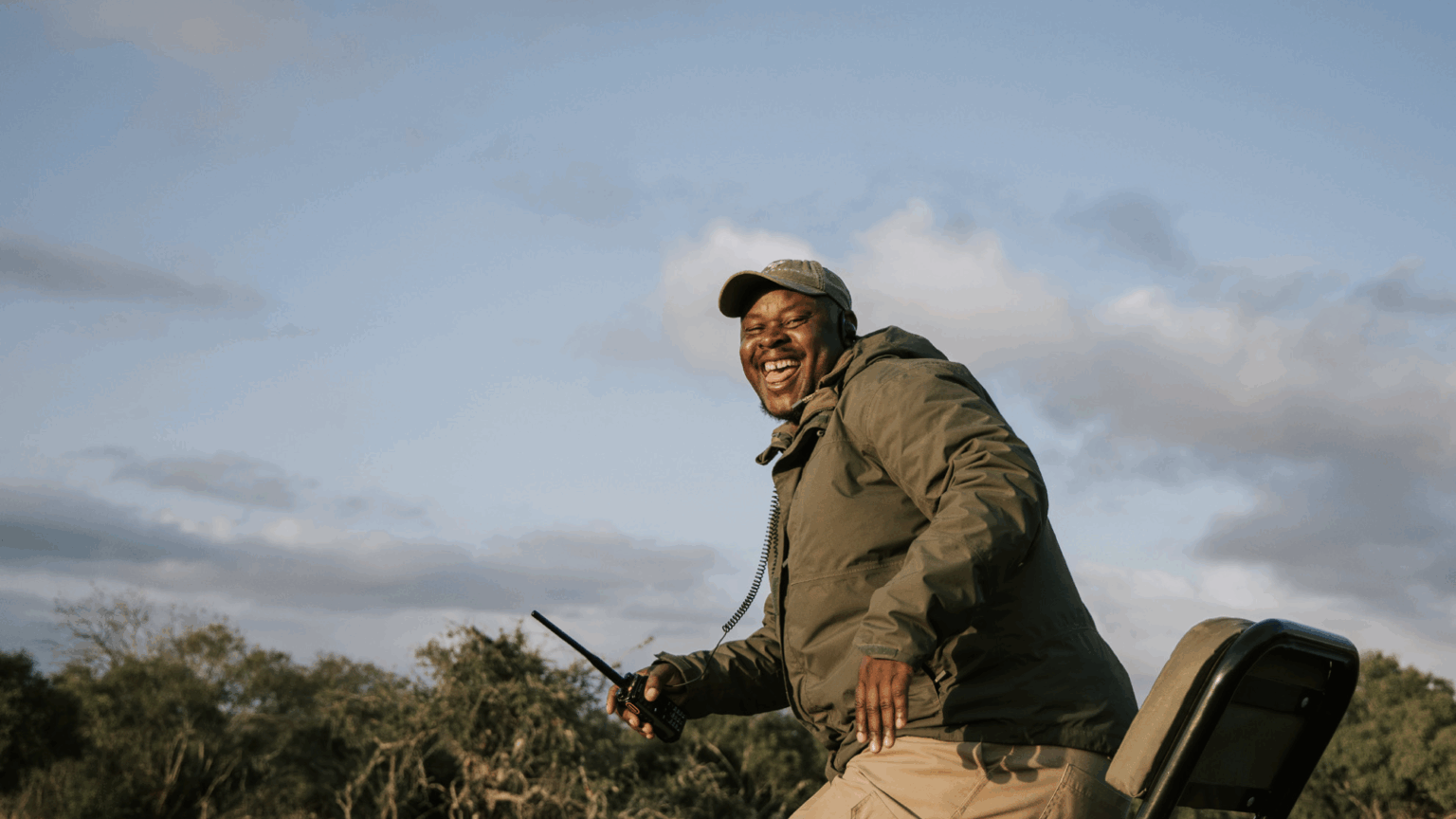
Ultimately, you’ll appreciate the difference it takes to create the memories you’ll return home with. To illustrate my point, this is what happened on one of our evening game drives at Masiya’s camp. It was getting dark and almost time for us to return to camp for dinner. Our guide suggested we make a final stop at a dam as a pride of lions had been spotted nearby. Sure enough, when we got there a fairly large pride were on the banks of the dam drinking. The resident hippo’s were none too happy and chased them off so the guide suggested we traverse to the other side of the dam to try and intercept them.
By now it was pitch dark and we were guided by our tracker on his perch with a searchlight. As we approached the dam there was extremely loud bellowing and our guide shouted “they have got a buffalo”. At that same moment pandemonium erupted – a big male buffalo charged out of the thicket almost colliding with our vehicle in his haste to distance himself from the commotion. At the same time several lions emerged from the bushes on the other side heading straight towards the ruckus. It took us a few minutes to penetrate the thick vegetation to find that we were witnessing the demise of an old buffalo bull. We sat mesmerized as the pack of lions devoured the buffalo. During this time our guide explained what was happening, the roles of the various lions in the “take down”, the pride dynamics and the pecking order.
This of course is what Africa is all about. The circle of life. However, it was our remarkable guide and tracker’s skills and years of experience that enabled us to be in the right spot at the right time. All the other guests in the entire concession were already having dinner, while we were witnessing this amazing spectacle.

DID YOU KNOW
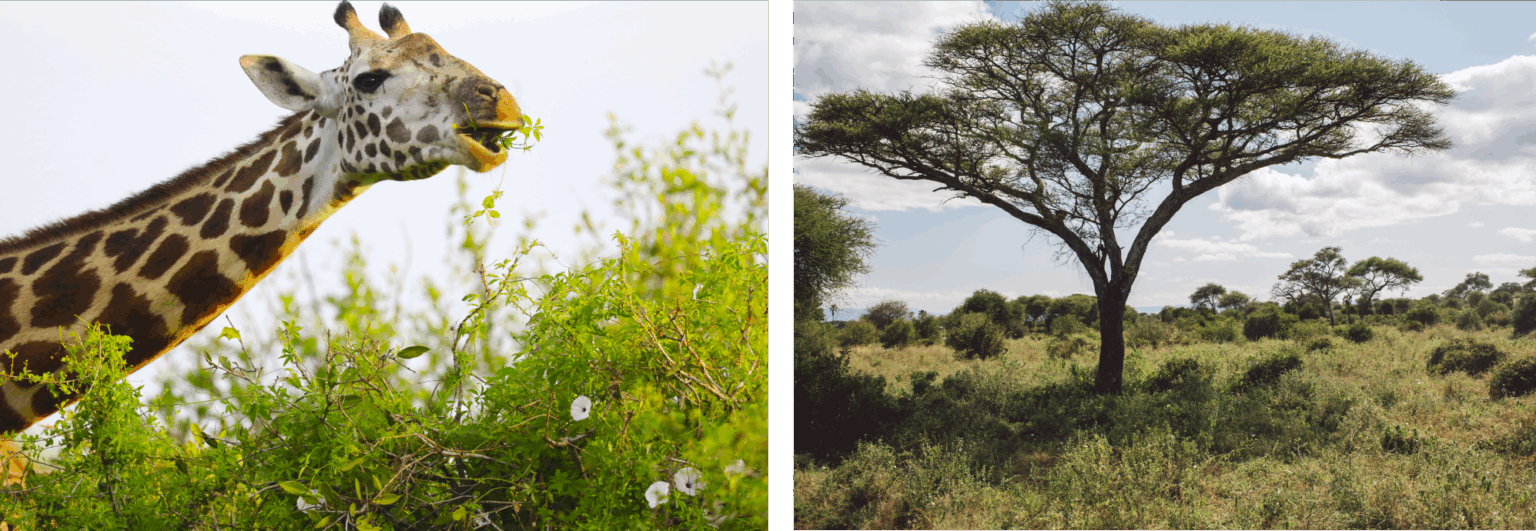
- For many years, researchers have known that when browsers like giraffe feed on trees, the trees release tannins into their leaves. This is a bitter substance and deters the animals from completely denuding the vegetation. This in itself is an amazing phenomenon, but it is only part of the story.
- Within seconds of the release of the tannins surrounding trees also trigger the same defense mechanism. How do trees communicate across distances that are not bridged by their root system?
- Modern research has determined that there is a vast network of fungi that cover the ground like a giant spiderweb. The trees use this network to transmit signals instantaneously, almost like synapse in the brain, from one to the other. The symbiotic relationships in nature are amazing!