Thirty years of planning African adventures comes with an unexpected bonus: stories. Some of them have definitely cost us a few nights’ sleep. Thankfully, enough time has passed that we can now laugh…mostly.
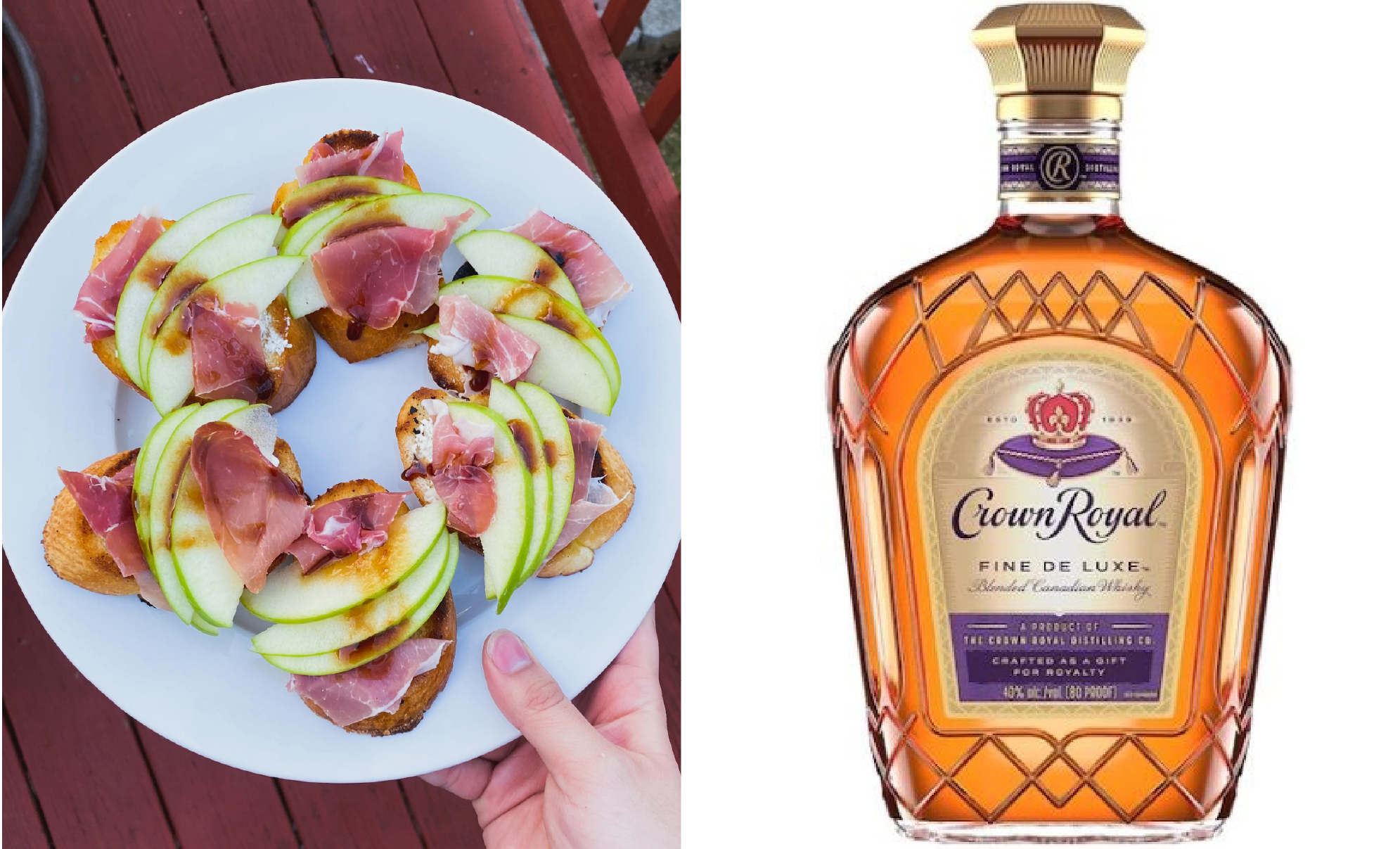
Let’s start with food. One parent casually informed us, “My son only eats prosciutto and green apples.”
Not chicken nuggets. Not pasta. Prosciutto, and green apples.
Then there was the family who asked, “Can they make pizza everywhere? Because that’s all our child will eat.” As it turns out, luxury safari camps are remarkably resourceful. Every stop on their itinerary produced pizza. Crisis averted.
Then came the whiskey enthusiast. Client: “Do the safari camps have Crown Royal?” Us: “Probably not, but they have some wonderful whiskies from all across the globe.” Client: “That won’t do. We only drink Crown Royal.”
So yes…we imported a case of Crown Royal from the United States to South Africa. Because some vacations simply cannot happen without the proper libations.
Over the years, our dietary questionnaire has become increasingly…specific. Vegan? Gluten free? Kosher? Allergies?
Only one particular brand of Canadian whiskey? We’ve seen it all—and managed to accommodate it all.
Of course, food isn’t the only thing that keeps us on our toes.
We’ve helped a client whose dental crown popped off, arranging an emergency dentist in Cape Town before he could even finish saying “toothache.”
Another guest developed a blood clot, in Victoria Falls, of all places. Thanks to some very quick teamwork, they received treatment that same afternoon in Johannesburg and were back enjoying their safari just 48 hours later.
Then there was the traveler whose hearing aids stopped working on the flight from Canada to Johannesburg—right at the beginning of the trip. After a flurry of phone calls and emails, we tracked down a loaner pair and had them delivered the very next day.
And then…there was that phone call.
A client rang us as he was boarding his flight to Kenya. “I just wanted to let you know I’m in congestive heart failure and on the transplant list. I didn’t tell you because I knew you’d tell me not to go.”
Imagine hearing that just as the boarding doors are closing. Well, he was determined to see the mountain gorillas, and thanks to six incredibly strong porters carrying him and his gear, he did exactly that.
The story gets even better: he later received his heart transplant. We like happy endings.
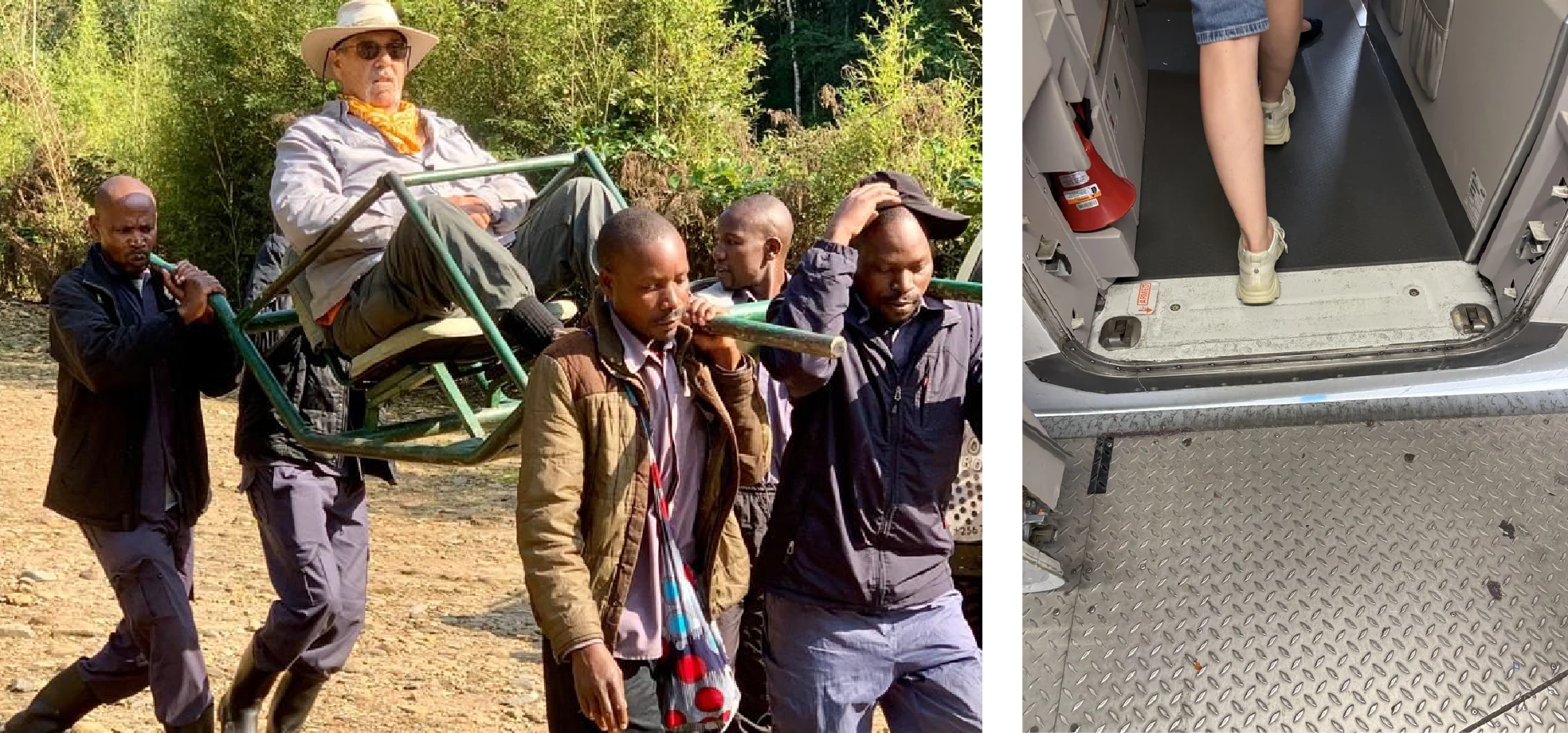
Not all emergencies are quite so dramatic. Our own Judy once managed to drop her passport through the tiny gap between the boarding bridge and the aircraft. You know—the one you never even notice until you’re terrified something falls through it? Well…hers did.
The passport landed neatly on the tarmac below. Airline sta sprinted downstairs, retrieved it, and saved the day. To this day, our family still laughs every single time we board a plane.
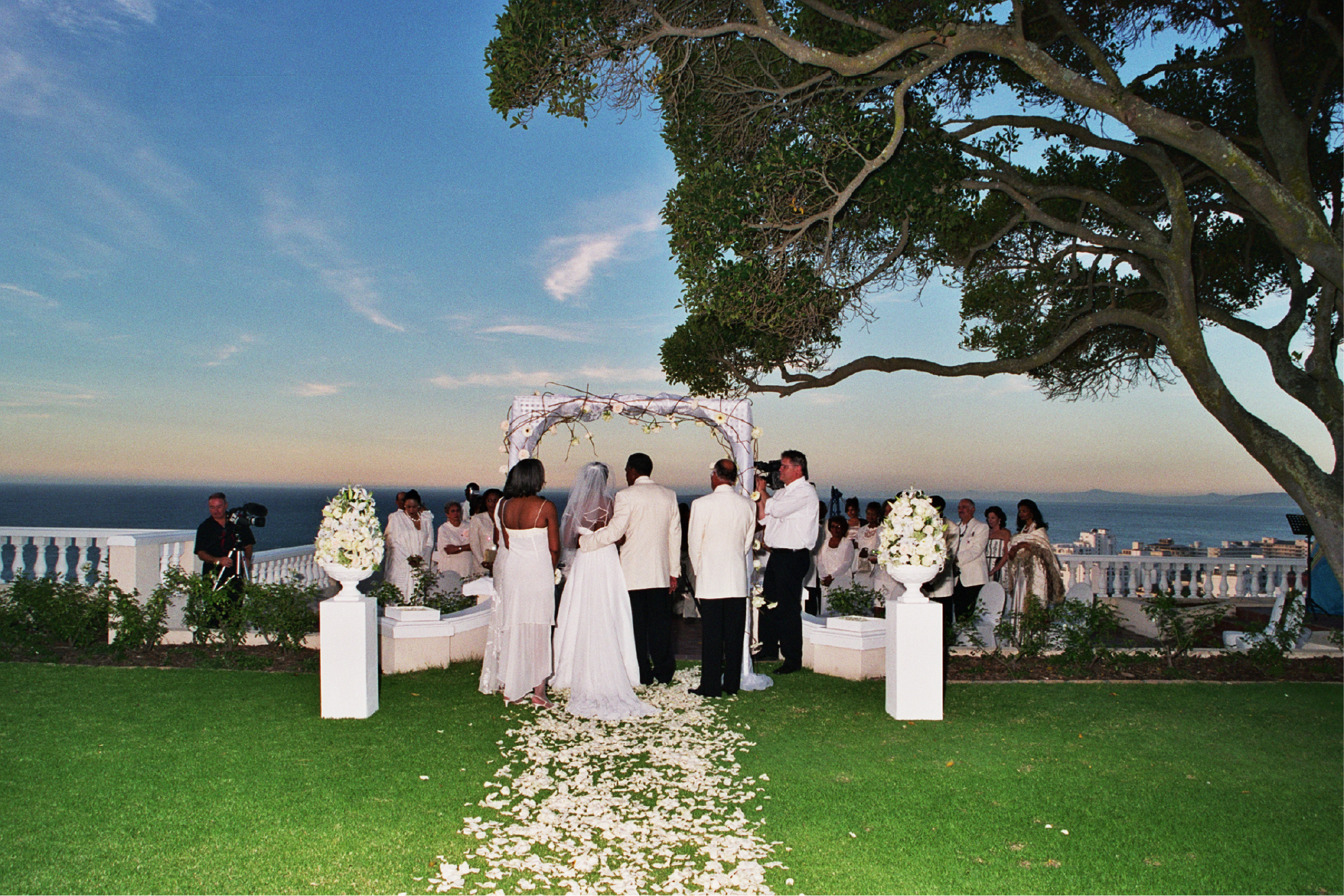
Then there are the weddings. Safari weddings deserve a category all their own. We’ve planned ceremonies with witch doctors (sangomas) in the bush. We were once asked whether the bride could marry topless while the groom wore a tuxedo. That request received one of our more diplomatic “we’re afraid that’s not possible” responses.
At the other end of the spectrum was a wedding so spectacular it was featured on South Africa’s version of Lifestyles of the Rich and Famous (Top Billing).
Forty guests flew in from the U.S., bringing their own minister. There were African drummers, marimba musicians, a traditional band, elegant receptions, and handmade local jewelry specially commissioned to match the bride’s gown.
Then came…the cake. The bride had requested a very specific chocolate groom’s cake from one famous Cape Town bakery. Judy was entrusted with transporting this masterpiece. Everything was going perfectly until she walked into the hotel lobby and unexpectedly spotted the groom.
Determined not to ruin the surprise, she quickly ducked around the corner. Unfortunately, her handbag had other plans. As it slid o her shoulder, it neatly shaved the entire top layer o the cake. Oops.
Fortunately, we had pastry chefs on standby, the cake was beautifully repaired, and the groom never knew how close he came to meeting his dessert a little earlier than planned.
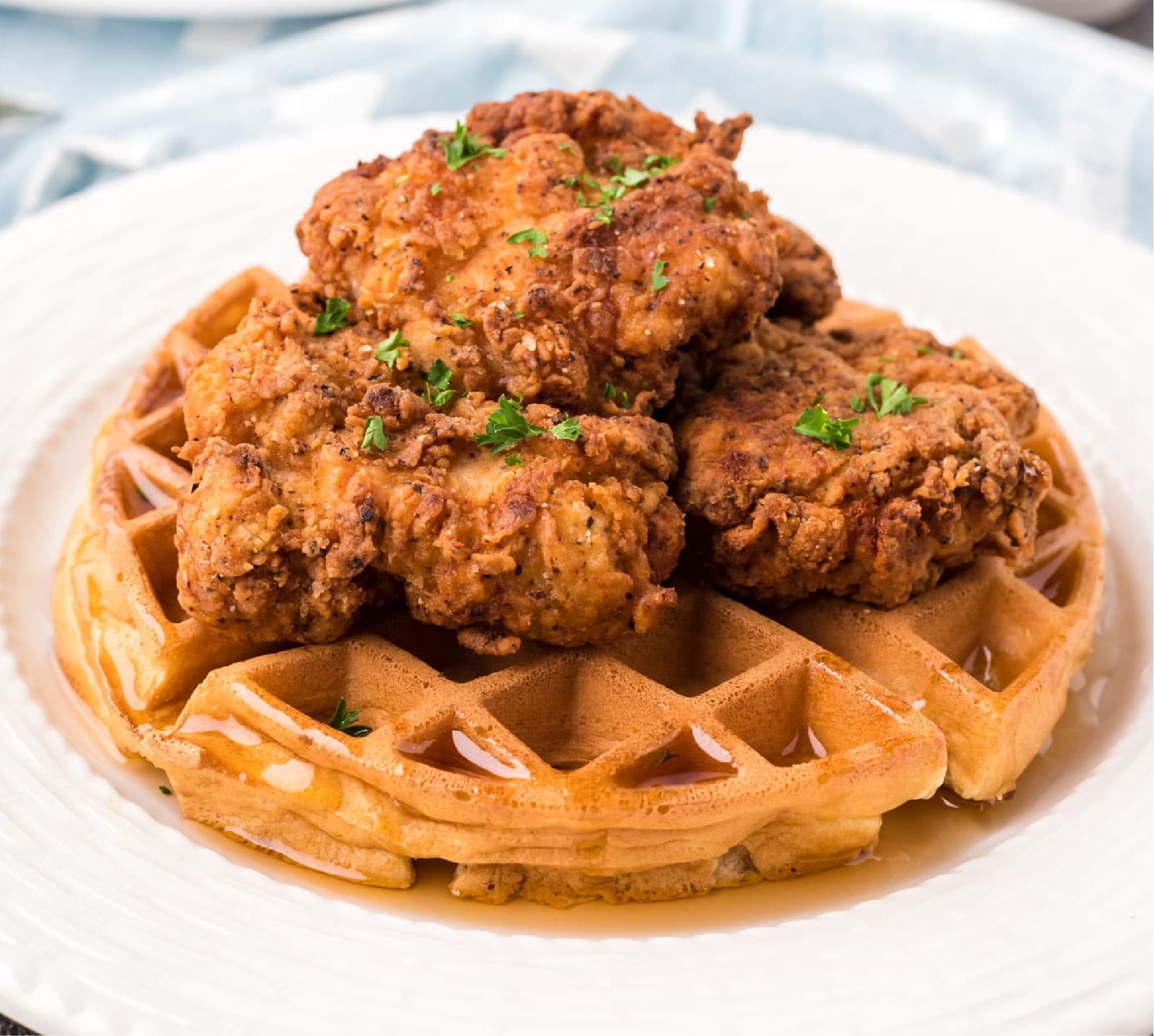
And yes, we’ve even worked with celebrities, although to us all our clients are VIP’s. One rap star would only travel in white limousines. His villa required a private chef on 24-hour standby who could prepare authentic Southern fried chicken and waffles whenever the mood struck. Naturally, we made it happen. We never actually spoke to him—only his manager.
DID YOU KNOW?
The blue whale has the largest tongue of any animal. It is about 18 ft long and weighs between 5 and 8 tons – as much as an adult elephant. In fact, this tongue is so large that 50 people could easily stand on it.
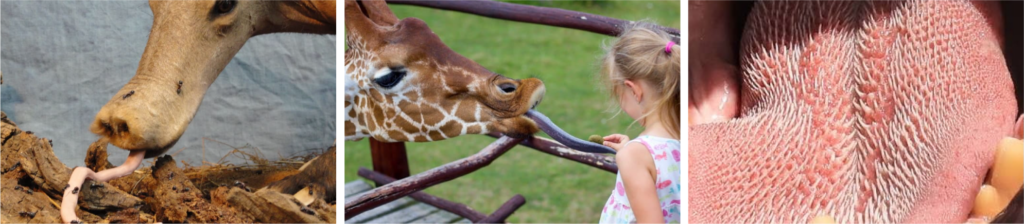
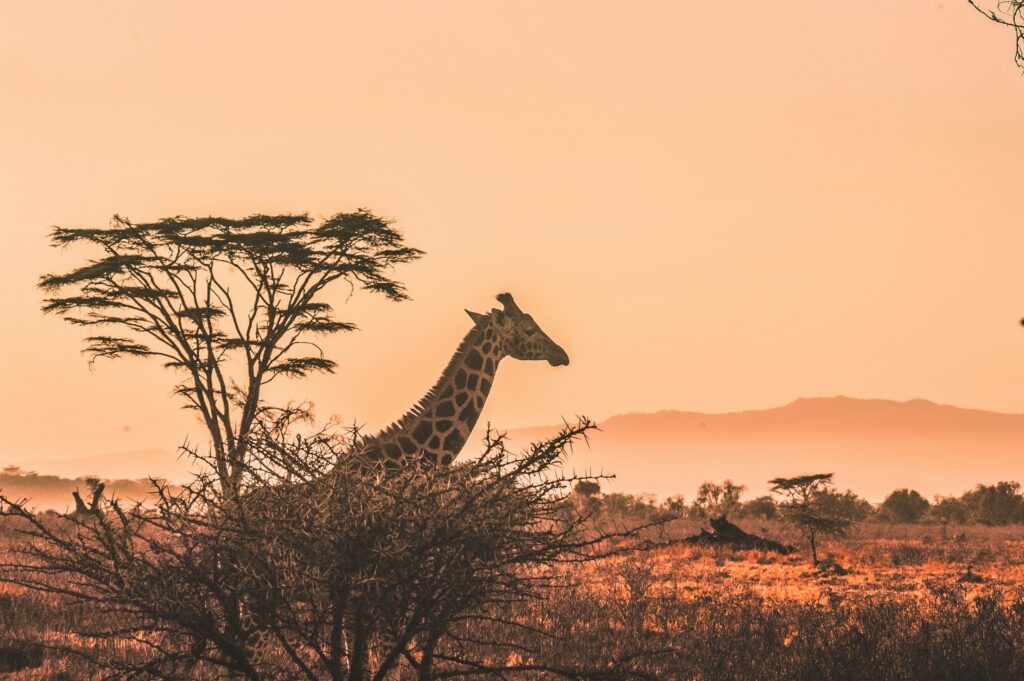
The giraffe’s spectacular blue-black tongue can be 18 inches long and is covered with sticky saliva. The giraffe uses its tongue to clean its eyes – and even its ears. The wicked-looking
thorns of its favorite thorn trees do not worry the giraffe, because it can easily maneuver its tongue past them and the thick saliva helps to make the thorns ineffective.
The woodpecker has the longest tongue of any bird. It uses this elongated, thin tongue to get the tasty morsels it eats from cracks and crevices in a tree trunk. Depending on the species, its tongue can be as much as three times the length of its bill.
The aardvark’s tongue is adapted for eating termites. It first breaks open a termite hill, and then it uses its 12 inch-tongue, covered with thick, sticky saliva, to trap the termites.
The emperor moth begins its life with a large, coiled proboscis or sucking tube which uncurls when it wants to use it to suck up nectar. When it reaches the adult stage of its life, this proboscis has dwindled away to nothing. Thus, the moth is not able to feed, and eventually dies of starvation.
The elephant and the crocodile cannot stick out their tongues! When an elephant eats, it places the food in a hollow at the center of its tongue and then folds the tongue backwards into its mouth.
The lion’s tongue, which is covered in rough papillae, is used almost like sandpaper to scrape the flesh from the bones of prey. The lion also uses its tongue to ‘wash’ itself, much like the cats we keep as pets.
A chameleon’s tongue is twice the length of its body.